







Home»Products»Power Busbar»Bus Duct
Bus Duct
Enclosed busway systems · 200–6300 A · copper or aluminium conductors
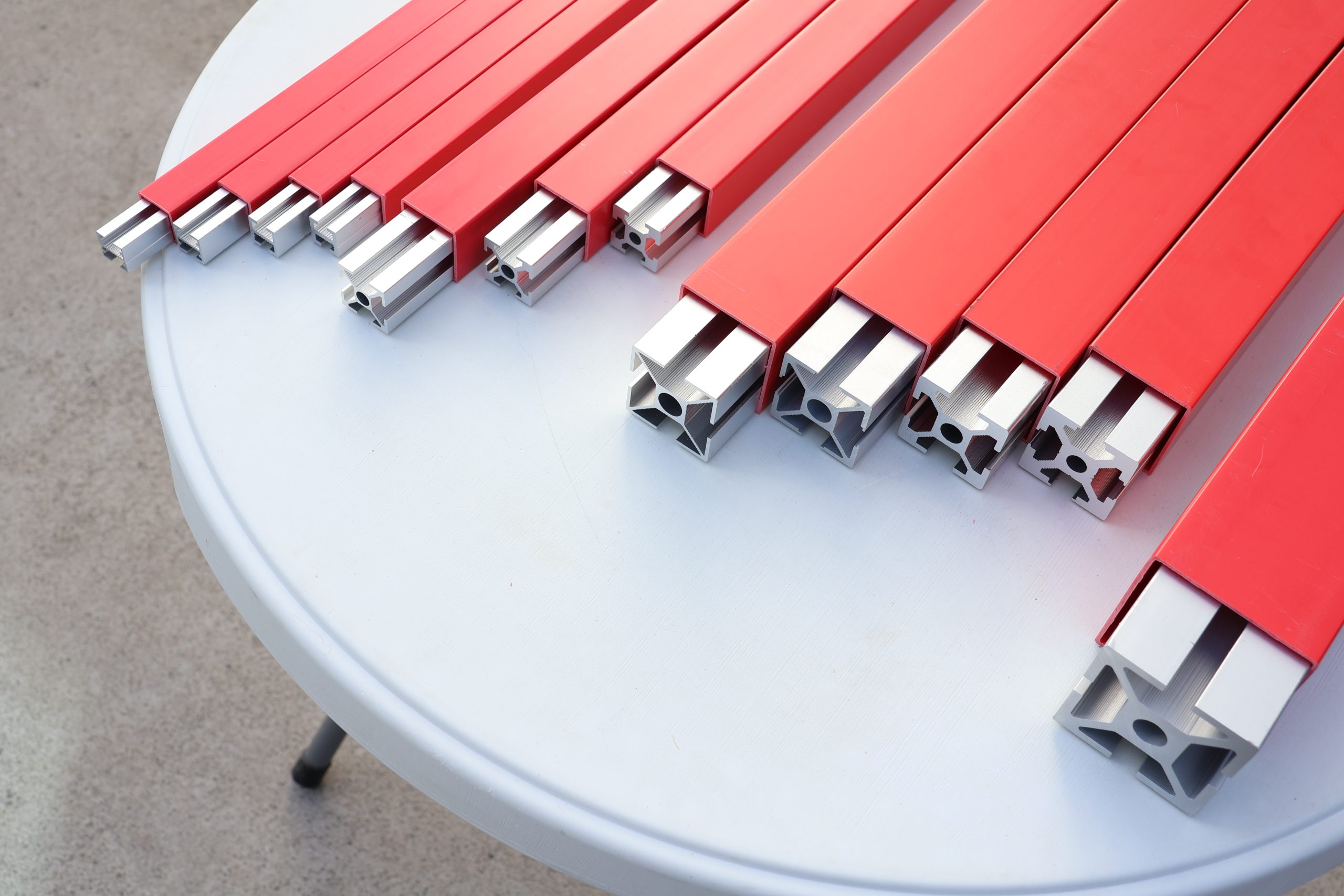
A bus duct (also called busway) is a factory-assembled, metal-enclosed power distribution system. Rigid copper or aluminium conductors are supported on insulators inside a protective housing, replacing bundles of large cables and cable trays with one compact, modular and reusable run.
Every straight length, elbow, tee and plug-in unit is built and tested before shipment. Sections bolt together on site with joint packs, so a distribution line can be extended, re-routed or relocated as the plant layout changes — without pulling new cable.
Technical Parameters
| Rated current | 200 – 6300 A |
| Rated voltage | Up to 1000 V AC / 1500 V DC |
| Conductor material | High-conductivity copper or aluminium |
| Enclosure | Galvanised steel or aluminium alloy housing |
| Insulation | Class B / F, polyester film or epoxy resin |
| Ingress protection | IP54 – IP68 depending on configuration |
| Section length | 1 – 6 m per run, custom lengths on request |
| Mounting | Horizontal run or vertical riser, wall / ceiling hung |
| Standards | IEC 61439-1 / IEC 61439-6, GB 7251 |
Construction
A bus duct is a self-contained assembly. The same six elements appear in every run, whatever the rating:
Conductors
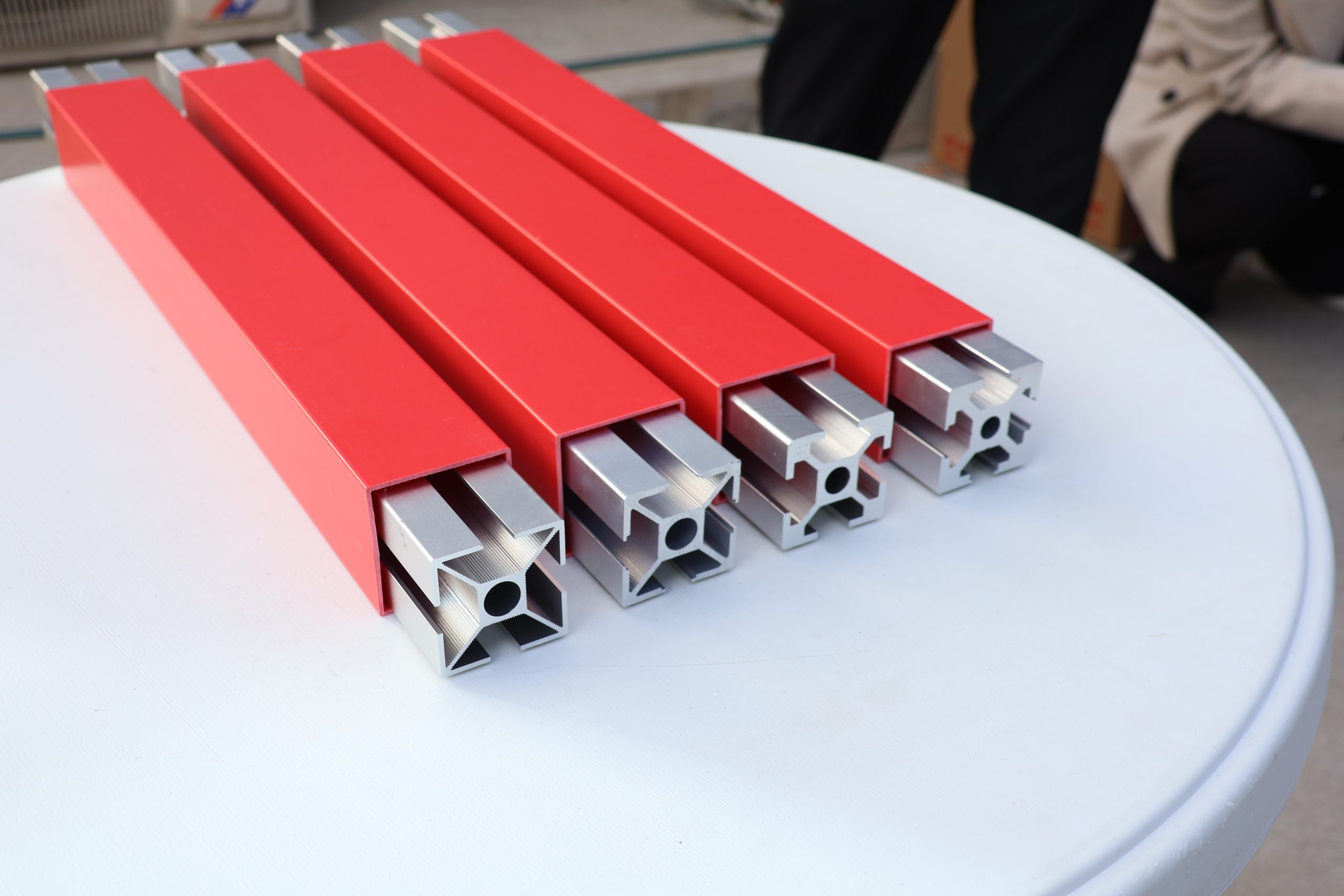
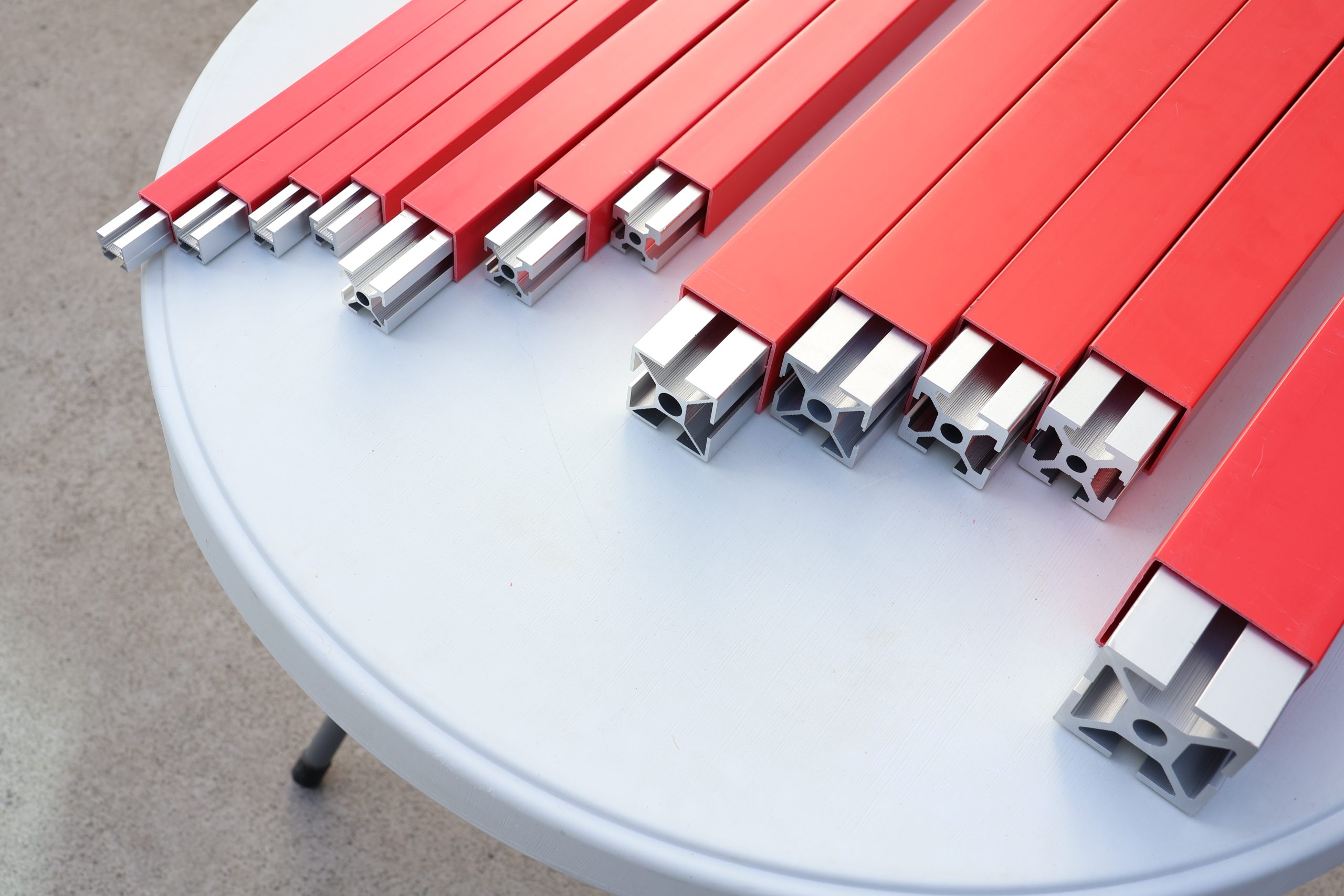
Solid copper or aluminium bars, sized to the rated current and tinned or sleeved at the joint faces to keep contact resistance low over decades of thermal cycling.
Insulation & housing
Conductors are wrapped in class B / F film or cast in epoxy, then enclosed in a ventilated or sealed metal housing that provides mechanical protection, grounding continuity and the specified IP rating.
Joint packs & plug-in units
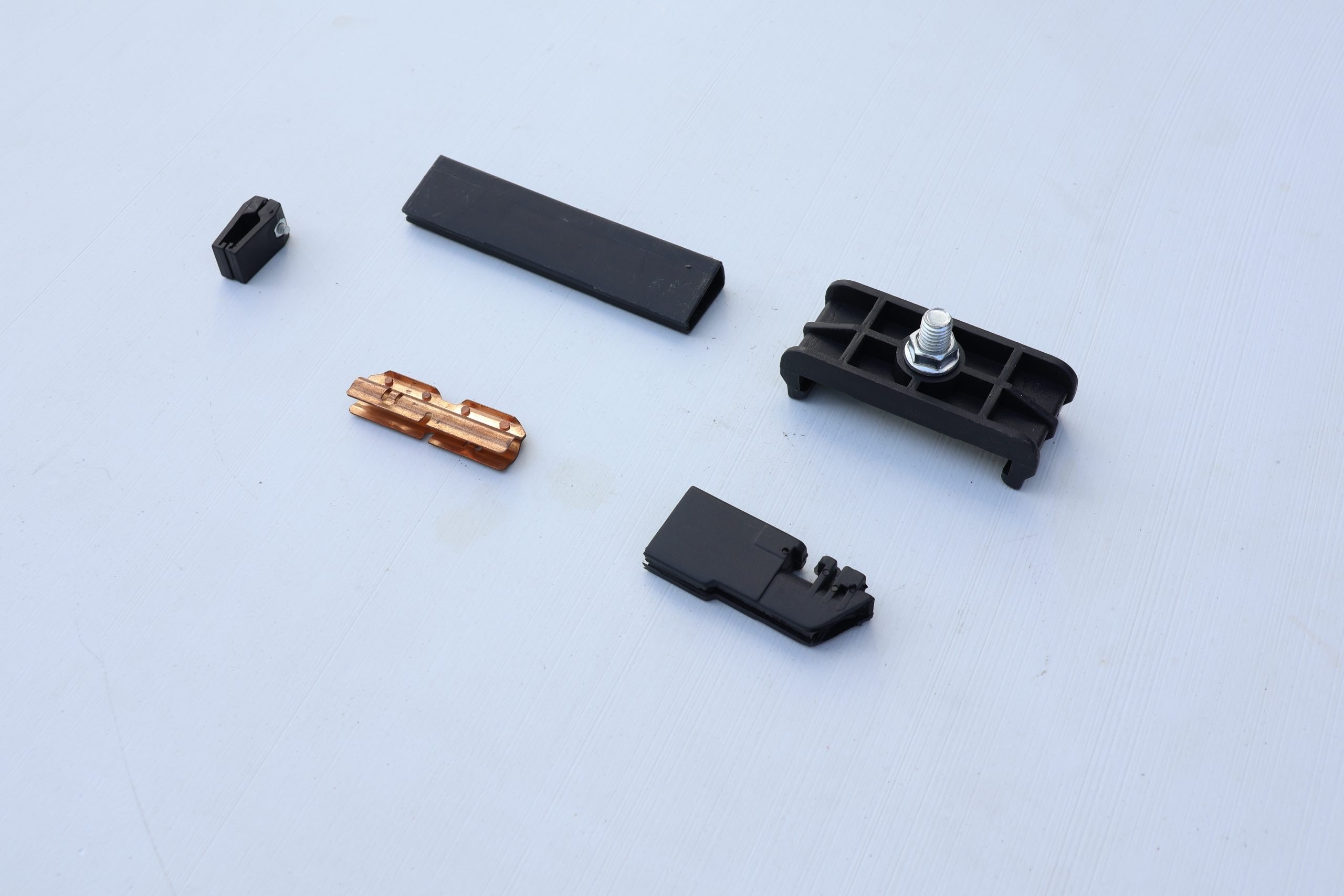
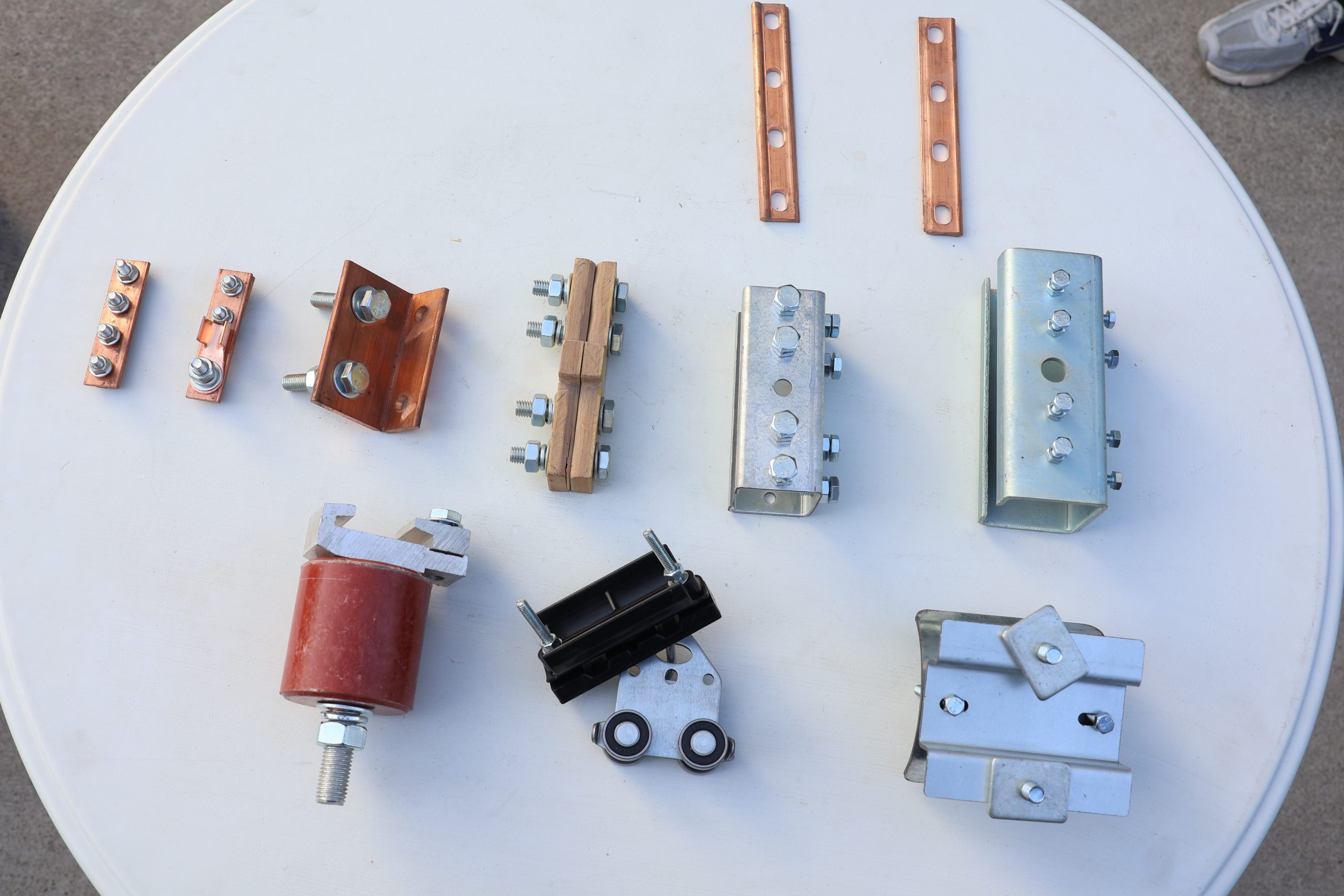
Bolted joint packs connect consecutive sections; plug-in boxes tap power at any point along the run without shutting down the line. Elbows, tees, reducers and expansion joints complete the layout.
Key Features
- High current, small footprint — one enclosed run replaces multiple parallel cable runs and their trays.
- Modular and reusable — sections unbolt and re-install when production lines move.
- Low impedance — rigid conductors give lower voltage drop and better short-circuit withstand than cable.
- Plug-in flexibility — tap-off boxes can be added or repositioned without rewiring.
- Low maintenance — no cable terminations to re-torque; joints are inspected on a routine schedule.
Applications
Bus duct is the standard choice wherever high current must be distributed over a fixed route that may change later:
- Plant main distribution and risers feeding production floors
- Data centre power distribution and overhead busway
- Crane and conveyor runways, automated warehouses and assembly lines
- Power stations, substations and switchgear interconnections
- Commercial towers, hospitals and infrastructure with high floor loads
Need a Conductor Rail or Power Busbar Solution?
Send us your crane span, current rating and travel length — our engineers will recommend the right system and prepare a quotation.
Tenglin Electric (Shandong) Co., Ltd is a professional manufacturer of conductor rail and power busbar electrification systems for cranes and industrial automation.
Products
Contact
- Intersection of Zhaode Rd & Rongli St, Economic Development Zone, Qingzhou, Shandong, China
- Tel: +86 156 2162 6483
- Email: [email protected]
- Mon–Sat 08:00–18:00 (GMT+8)